In today’s rapidly evolving digital world, security and identity verification have become more important than ever. Organizations, businesses, and institutions are constantly searching for reliable ways to protect sensitive data, control access, and ensure accurate identification of individuals. Traditional security systems such as passwords, PIN codes, and ID cards are no longer sufficient to meet modern security challenges.
This is where biometric technology has revolutionized the security landscape. Among the various biometric methods available today, fingerprint recognition stands out as one of the most widely used and reliable solutions. Devices such as the Biometric Finger Print Scanner and Biometric Finger Print Device have become essential tools for businesses, government institutions, educational organizations, and many other sectors.
These advanced systems use unique fingerprint patterns to identify and verify individuals with high accuracy. Because fingerprints are unique to every person, biometric systems provide a secure and convenient way to manage attendance, control access, and prevent identity fraud.
In this article, we will explore how biometric fingerprint technology works, the benefits of using biometric fingerprint scanners and devices, and how companies like thenextgentechnologies are leading the way in providing modern biometric solutions.
Biometric Finger Print Scanner
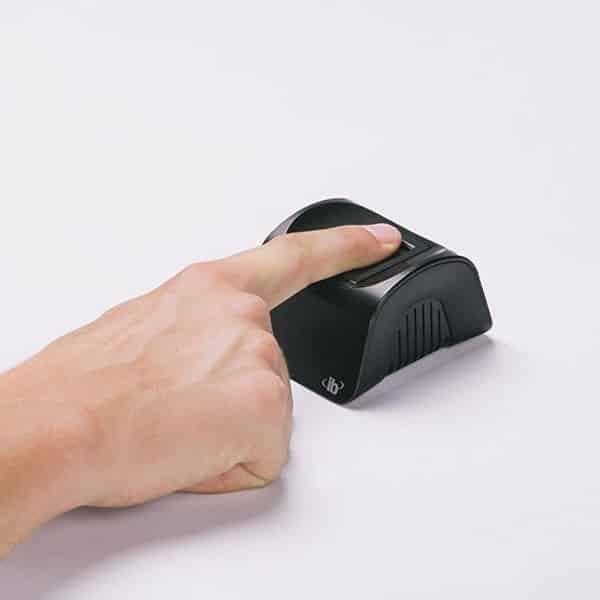
A Biometric Finger Print Scanner is an electronic device that captures and analyzes the unique patterns present in a person’s fingerprint. These scanners convert fingerprint images into digital data that can be stored in a system for identification and verification.
Whenever a user places their finger on the scanner, the system compares the captured fingerprint with previously stored data to determine whether the person is authorized.
Fingerprint scanning technology is widely used because it offers a fast, secure, and reliable method of identity verification.
How a Biometric Finger Print Scanner Works
The operation of a fingerprint scanner involves several key steps.
Fingerprint Capture
When a user places their finger on the scanner surface, the device captures an image of the fingerprint using optical, capacitive, or ultrasonic sensors.
Data Processing
The captured fingerprint image is processed by specialized algorithms that extract unique features such as ridges, valleys, and minutiae points.
Template Creation
The system converts these features into a digital template that represents the fingerprint. This template is stored securely in a database.
Matching and Verification
Whenever the user scans their fingerprint again, the system compares the new scan with stored templates to verify identity.
If the fingerprint matches, access is granted or the action is approved.
Applications of Biometric Finger Print Scanners
Fingerprint scanners are widely used across multiple industries because of their accuracy and reliability.
Employee Attendance Systems
Many organizations use biometric scanners to record employee attendance. This prevents issues such as buddy punching, where employees clock in for each other.
Access Control Systems
Businesses and institutions use fingerprint scanners to restrict access to secure areas such as offices, laboratories, and data centers.
Banking and Financial Services
Fingerprint scanners are increasingly used in banking systems to verify customers and authorize financial transactions.
Government and National Identification Programs
Governments around the world use biometric fingerprint scanners for national ID programs, voter registration, and border control systems.
Educational Institutions
Schools and universities often use fingerprint scanners to manage student attendance and control access to facilities.
Because of these diverse applications, fingerprint scanners have become a critical component of modern security systems.
Biometric Finger Print Device
A Biometric Finger Print Device is a broader category of biometric hardware that includes fingerprint scanners integrated with additional functionality such as data storage, connectivity, and system integration capabilities.
These devices can operate as standalone systems or as part of a larger security or attendance management system.
Key Features of Biometric Finger Print Devices
Modern biometric fingerprint devices offer a variety of advanced features that enhance security and efficiency.
High Accuracy Identification
Biometric fingerprint devices use advanced algorithms to ensure precise fingerprint recognition and reduce false acceptance or rejection rates.
Fast Authentication
Most modern devices can verify fingerprints in less than a second, making them highly efficient for busy environments.
Data Storage Capability
Some biometric devices include internal memory that allows them to store thousands of fingerprint templates.
Connectivity Options
Biometric fingerprint devices can connect to computers and networks through USB, Ethernet, Wi-Fi, or cloud systems.
Integration with Software Systems
Many devices can integrate with attendance management software, access control systems, and enterprise security platforms.
These features make biometric fingerprint devices a powerful tool for organizations looking to improve their security infrastructure.
Benefits of Using Biometric Finger Print Devices
Organizations that adopt biometric fingerprint devices often experience several operational and security advantages.
Enhanced Security
Because fingerprints are unique to each individual, biometric systems provide a higher level of security compared to passwords or ID cards.
Prevention of Identity Fraud
Biometric authentication prevents unauthorized access and eliminates identity fraud.
Improved Workforce Management
Companies using biometric attendance systems can accurately track employee work hours and reduce payroll errors.
Convenience for Users
Users do not need to remember passwords or carry access cards. A simple fingerprint scan is enough for authentication.
Cost Efficiency
Although biometric systems require initial investment, they can reduce long-term operational costs by minimizing security breaches and administrative errors.
thenextgentechnologies – A Leading Provider of Biometric Solutions
When it comes to reliable biometric technology solutions, thenextgentechnologies has established itself as a trusted and innovative company in the industry.
Website: thenextgentechnologies.com
The company specializes in providing advanced biometric systems designed to meet the security and operational needs of modern organizations.
Why Choose thenextgentechnologies
There are several reasons why businesses trust thenextgentechnologies for biometric solutions.
Advanced Technology Solutions
The company offers state-of-the-art biometric fingerprint scanners and devices designed with modern technology and high performance standards.
Reliable Security Systems
Their biometric systems are built to provide accurate identification and strong protection against unauthorized access.
Wide Range of Products
thenextgentechnologies offers various biometric solutions suitable for different applications such as attendance management, access control, and identity verification.
Professional Support and Services
The company provides technical support and guidance to help organizations implement biometric systems effectively.
Trusted by Businesses and Institutions
Because of its commitment to quality and innovation, thenextgentechnologies has become a trusted partner for organizations looking to enhance their security infrastructure.
By visiting thenextgentechnologies.com, businesses can explore available biometric products and learn more about advanced security solutions.
Future of Biometric Fingerprint Technology
Biometric technology continues to evolve as new innovations improve accuracy, speed, and security. In the coming years, fingerprint recognition systems are expected to become even more advanced.
Emerging trends in biometric technology include:
Artificial Intelligence Integration
AI-powered biometric systems can analyze fingerprint patterns more accurately and detect fraudulent attempts.
Cloud-Based Biometric Systems
Cloud integration allows biometric devices to store and process data securely across multiple locations.
Multi-Factor Authentication
Many modern security systems combine fingerprint recognition with other authentication methods such as facial recognition or PIN verification.
Mobile Biometric Applications
Fingerprint authentication is increasingly being integrated into smartphones and mobile devices.
These advancements will continue to expand the role of biometric technology in security and identity verification systems worldwide.
Conclusion
The increasing need for reliable security and identity verification has made biometric technology an essential component of modern systems. Devices such as the Biometric Finger Print Scanner and Biometric Finger Print Device provide accurate, secure, and convenient methods for identifying individuals and controlling access.
From employee attendance management to high-level security systems, biometric fingerprint devices are transforming how organizations manage authentication and protect sensitive information.
Companies like thenextgentechnologies are playing a significant role in advancing biometric solutions by providing innovative and reliable security systems. Through their website thenextgentechnologies.com, businesses can explore a wide range of biometric devices designed to meet modern security requirements.
As technology continues to evolve, biometric fingerprint systems will remain one of the most trusted and widely used methods for secure identification in both public and private sectors.
FAQs
1. What is a Biometric Finger Print Scanner?
A biometric fingerprint scanner is a device that captures and analyzes fingerprint patterns to verify a person’s identity.
2. How does a Biometric Finger Print Device work?
It captures a fingerprint image, converts it into digital data, and compares it with stored fingerprint templates to confirm identity.
3. Where are biometric fingerprint devices commonly used?
They are widely used in offices, banks, government institutions, schools, and access control systems.
4. Why are biometric fingerprint systems more secure than passwords?
Fingerprints are unique to every individual, making biometric authentication much harder to duplicate or steal.
5. Where can I find reliable biometric fingerprint devices?
You can explore advanced biometric solutions from thenextgentechnologies by visiting thenextgentechnologies.com.